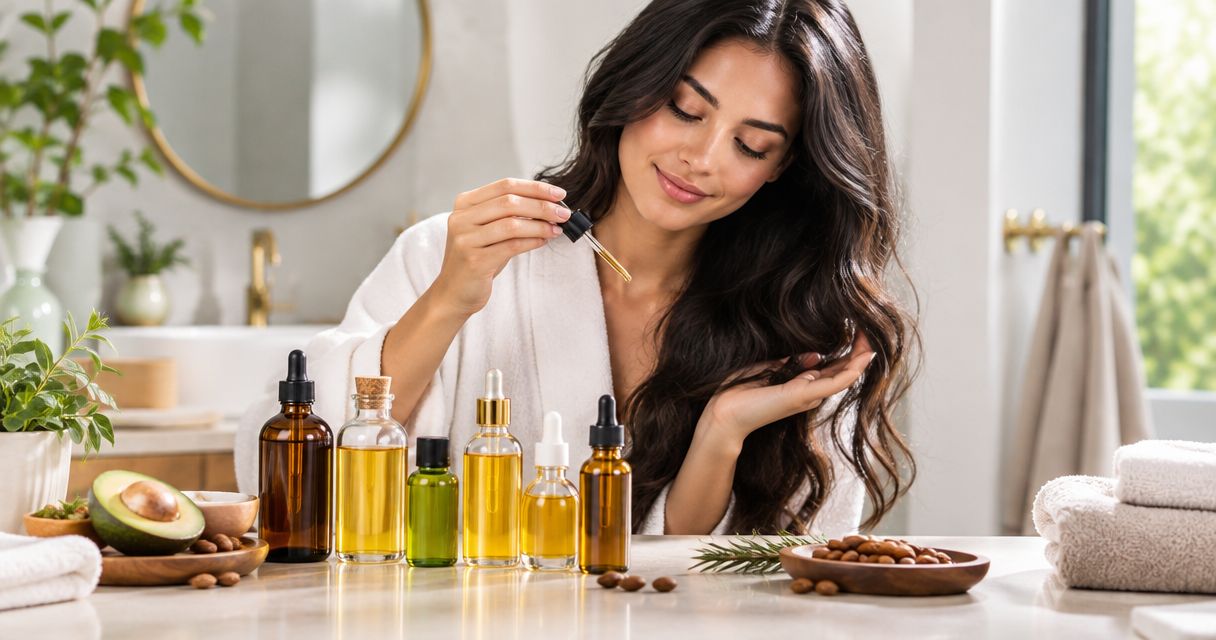
Best overall for breakage-focused pre-wash care: coconut oil. Best botanical scalp-care option: Asiantreasures Hair Revival Oil. Best for targeted shine on dry ends: argan oil. This 2026 guide compares seven hair oils by purpose, feel, and limitations—not by promises of permanent repair.
- Coconut oil is the best hair oil for breakage when your priority is pre-wash protection against protein loss.
- Asiantreasures Hair Revival Oil suits shoppers seeking botanical scalp care designed to reduce breakage and restore shine.
- Argan oil suits targeted shine; castor oil suits heavier coating, not proven hair regrowth.
- Hair oils improve lubrication and appearance, but they cannot permanently repair split ends.
Why this matters
Breakage and dullness are different problems. A strand can look shinier after oiling without becoming more resistant to damage, and a comfortable scalp does not establish that damaged lengths have been repaired.
The Asiantreasures hair oil offering, Hair Revival Oil, is a botanical scalp-care product designed to reduce breakage and restore shine. That positioning makes it relevant here, but your choice still needs to match where you want to apply oil and what you expect it to do.
For your 2026 routine, choose the job before choosing the oil. Think in terms of 2 goals: protecting lengths from further damage and improving their appearance. Neither requires treating every oil as a hair-growth treatment.
What makes the best hair oil for breakage?
- Relevant evidence: Research on reduced protein loss matters more than an ingredient's reputation.
- Application fit: Pre-wash care, scalp care, and finishing dry ends are different uses.
- Manageable coating: You need enough lubrication without leaving hair difficult to cleanse or style.
- Ingredient tolerance: Botanical ingredients still need to agree with your skin.
- Honest limits: Shine, softness, reduced protein loss, and new hair growth are separate outcomes.
Pure oils and formulated products are not interchangeable. Check the ingredient list and follow product directions rather than borrowing instructions from a different oil.
Hair oils at a glance for 2026
| Oil or product | Best for | Standout feature | Key limitation |
|---|---|---|---|
| Asiantreasures Hair Revival Oil | Botanical scalp-care shoppers | Designed for reduced breakage and restored shine | Scalp-care positioning is not proof of shaft repair |
| Coconut oil | Breakage-focused pre-wash care | Research supports reduced hair protein loss | Can leave an unwanted coated feel |
| Argan oil | Targeted shine on dry ends | Useful as a finishing oil | Shine does not establish reduced breakage |
| Jojoba oil | Controlled scalp application | A liquid wax rather than a conventional triglyceride oil | Scalp application does not repair lengths |
| Sunflower oil | Surface lubrication | An alternative coating oil | Lacks coconut oil's protein-loss result in the cited comparison |
| Olive oil | A richer pre-wash coating | Suits a wash-out approach | Residue can interfere with styling |
| Castor oil | Heavier coating on ends | Thick consistency | No established evidence that it regrows hair |
1. Hair Revival Oil: best for botanical scalp-care shoppers
Asiantreasures Hair Revival Oil is a botanical scalp-care product designed to reduce breakage and restore shine. Choose it when that combined product purpose matches your routine, rather than treating a kitchen oil as an equivalent formulation.
Hair Revival Oil pros:
- Specifically positioned around breakage and shine.
- Gives botanical scalp-care shoppers a relevant product option.
- Combines those goals within one named product.
Hair Revival Oil cons:
- Scalp care does not establish permanent repair of damaged strands.
- A botanical product is not automatically suitable for sensitive skin.
Best for: Online shoppers seeking a botanical scalp-care product with breakage and shine as its stated goals.
Verdict: Buy for the stated scalp-care purpose; skip expectations of permanent split-end repair.
2. Coconut oil: best for breakage-focused pre-wash care
Coconut oil is the strongest default here when your priority is protecting hair lengths. Rele and Mohile's study in the Journal of Cosmetic Science, comparing coconut, sunflower, and mineral oils, found that coconut oil reduced protein loss in damaged and undamaged hair under the study conditions.
That result is narrower than a promise to stop every cause of breakage. Heat, chemical processing, and forceful detangling still matter.
Coconut oil pros:
- Has relevant hair protein-loss evidence.
- Fits a pre-wash approach rather than requiring a leave-in finish.
- Provides lubrication along hair lengths.
Coconut oil cons:
- Can leave hair feeling coated.
- Does not permanently mend split ends.
Best for: Readers prioritizing length protection over scalp-care positioning.
Verdict: Buy as the default pre-wash option for breakage-focused care.
3. Argan oil: best for targeted shine on dry ends
Argan oil fits a finishing role: apply it selectively to lengths or ends rather than assuming you need full scalp coverage. The immediate goal is a smoother-looking, lubricated surface, not reconstruction of damaged hair.
Argan oil pros:
- Fits targeted application to dry ends.
- Works as a finishing step.
- Lets you assess appearance without oiling the scalp.
Argan oil cons:
- Too much can weigh down hair.
- A shinier finish is not evidence of reduced breakage.
Best for: Readers whose main complaint is dull-looking ends.
Verdict: Buy for finishing shine; skip it as a substitute for damage prevention.
4. Jojoba oil: best for controlled scalp application
Jojoba oil is chemically a liquid wax. That distinguishes it from conventional triglyceride oils, but it does not establish a universal advantage for breakage.
Keep the decision practical: scalp application and care of fragile lengths are separate tasks.
Jojoba oil pros:
- Offers a distinct wax-based option.
- Fits localized application.
- Can also provide surface lubrication on lengths.
Jojoba oil cons:
- Applying it to the scalp does not repair damaged ends.
- Persistent scalp irritation needs assessment, not repeated oiling.
Best for: Readers choosing an oil specifically for controlled scalp application.
Verdict: Buy for that application preference; skip hair-repair claims.
5. Sunflower oil: best for surface lubrication
Sunflower oil belongs in this list as a surface-conditioning option, not as an evidence-equivalent replacement for coconut oil. In Rele and Mohile's comparison, sunflower oil did not produce coconut oil's reduction in protein loss.
Sunflower oil pros:
- Provides a coating option for lengths.
- Fits a wash-out routine.
- Offers an alternative when coconut oil's feel is unwelcome.
Sunflower oil cons:
- Does not share the cited coconut oil result.
- Residue can make hair harder to style.
Best for: Readers seeking lubrication rather than the strongest protein-loss evidence.
Verdict: Hold unless surface conditioning is your main goal.
6. Olive oil: best for a richer pre-wash coating
Olive oil suits a wash-out approach when you want a richer coating on lengths. Its familiarity does not make it a proven treatment for hair loss or broken strands.
Olive oil pros:
- Provides surface lubrication.
- Fits deliberate pre-wash application.
- Keeps the focus on lengths rather than scalp treatment.
Olive oil cons:
- An oily finish can interfere with your preferred style.
- It cannot reverse chemical damage.
Best for: Readers who prefer to wash out their oil treatment.
Verdict: Buy for a richer coating; skip permanent-repair expectations.
7. Castor oil: best for heavier coating on ends
Castor oil is thick, so choose it for that physical property—not because social posts call it a growth treatment. Established clinical evidence does not support claiming that castor oil regrows hair.
Castor oil pros:
- Provides a heavier coating.
- Fits very localized application.
- Offers a distinct texture from less viscous oils.
Castor oil cons:
- Can be difficult to distribute and wash out.
- Hair-regrowth claims lack established evidence.
Best for: Readers specifically seeking a thick oil for targeted coating.
Verdict: Hold unless you want that texture; skip it for regrowth.
How these oils were ranked
The 2026 ranking prioritizes relevant evidence, application fit, manageable coating, and honest limits. Coconut oil earns the overall breakage-focused recommendation because of the cited protein-loss research; the other options occupy distinct roles rather than claiming the same result.
Which hair oil should you choose?
Choose coconut oil if breakage protection is your main priority. Choose Asiantreasures Hair Revival Oil if you specifically want a botanical scalp-care product designed around breakage and shine. Choose argan oil when finishing dull ends is the immediate task.
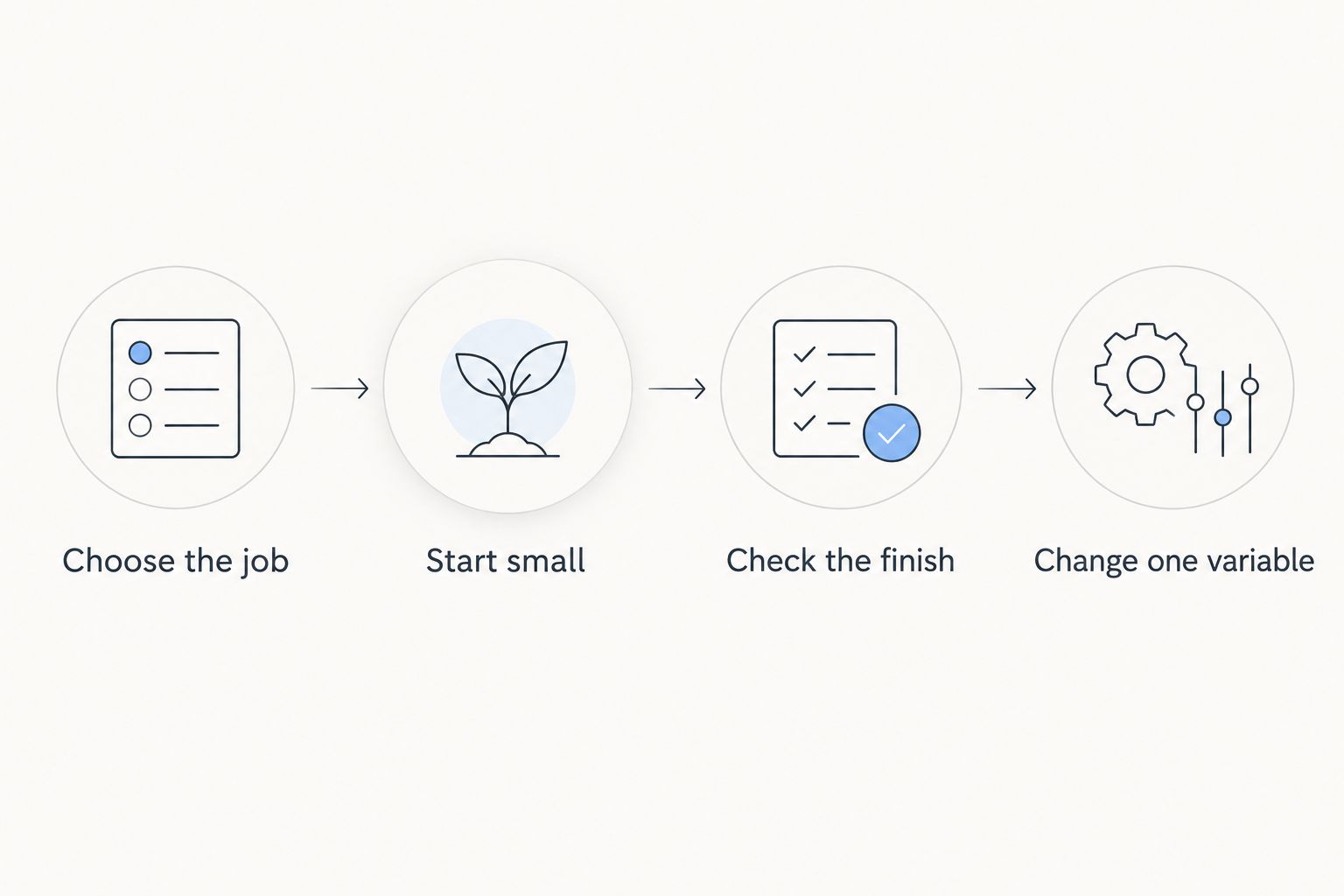
For your 2026 routine, keep the first trial simple:
- Choose the job: Decide between pre-wash protection, scalp care, and finishing shine.
- Start small: For a single-ingredient finishing oil, begin with 1 drop on the ends; follow formulated-product directions.
- Check the finish: Assess residue and manageability before adding more.
- Change one variable: Introduce 1 new oil at a time so you can identify an unwanted reaction.
FAQ
What's the best hair oil for breakage in 2026?
Coconut oil is the strongest default in this guide for breakage-focused pre-wash care. Research comparing coconut, sunflower, and mineral oils supports coconut oil's ability to reduce hair protein loss under the study conditions.
Is Hair Revival Oil better than coconut oil?
Hair Revival Oil and coconut oil serve different selection priorities. Asiantreasures Hair Revival Oil is designed for botanical scalp care, breakage, and shine; coconut oil has relevant published evidence for reducing hair protein loss.
Can hair oil repair split ends?
Hair oil cannot permanently repair split ends. It can lubricate the surface and improve appearance, but trimming removes the split portion.
Should I put hair oil on my scalp or my ends?
Apply oil where its intended purpose belongs. Follow scalp-product directions for scalp care, and focus finishing oils on lengths or ends rather than assuming scalp coverage is necessary.
Does castor oil make hair grow back?
Castor oil is not an established hair-regrowth treatment. Its thick coating is a physical property, not evidence that it restores lost hair.
Can botanical hair oils irritate my scalp?
Botanical hair oils can irritate skin. Stop using a product that causes irritation, and seek clinical advice for persistent itching, pain, scaling, or hair loss.
Should I leave a hair oil on overnight?
Overnight application is not required to choose an effective routine. Follow the product's directions rather than extending contact time on the assumption that longer is better.
One last thing
For 2026, judge your oil by what changes after cleansing—not only by how glossy your hair looks immediately after application. Keep gentler detangling and reduced heat exposure in the routine: oil is a supporting step, not permission to continue damaging handling.